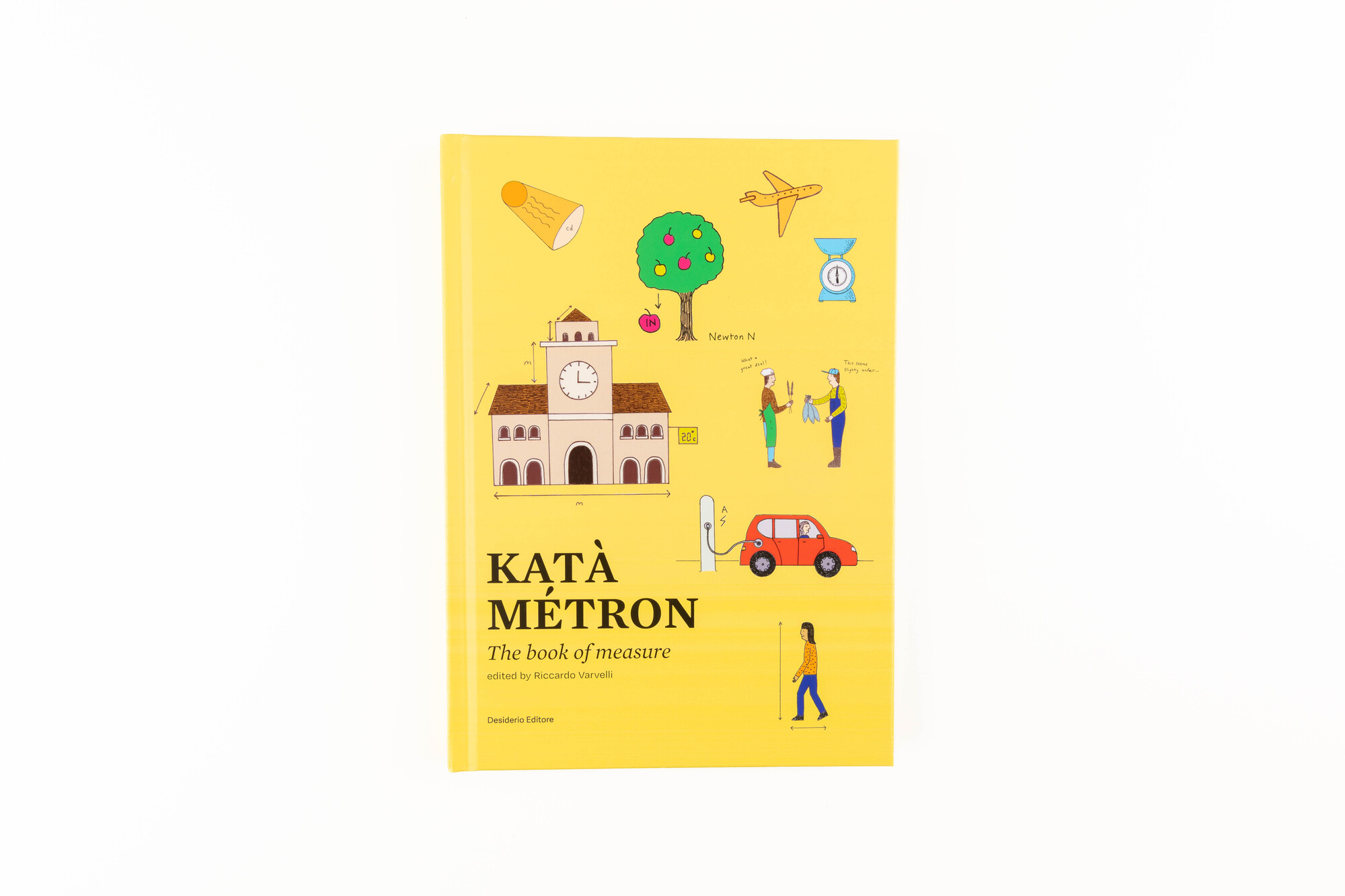
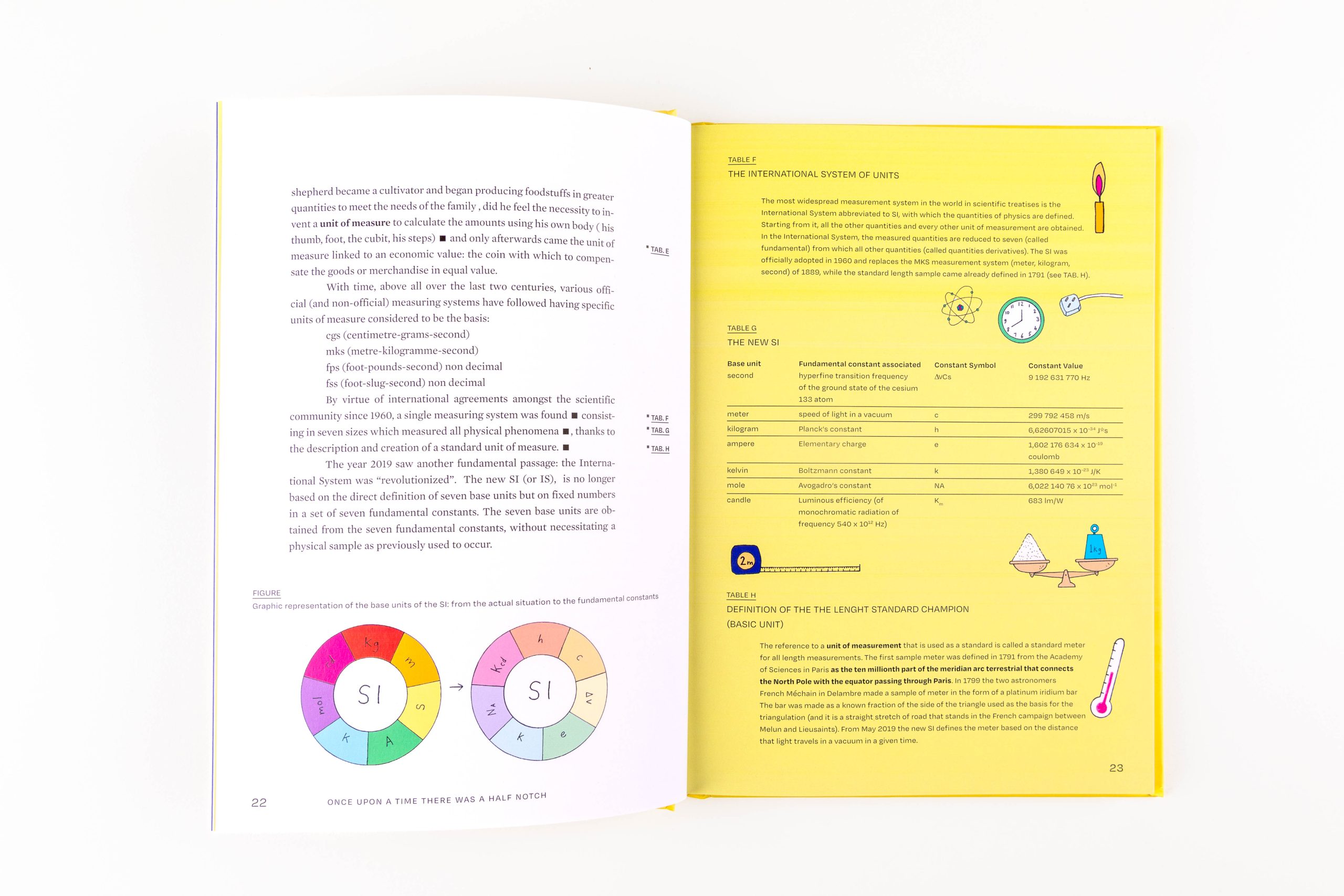
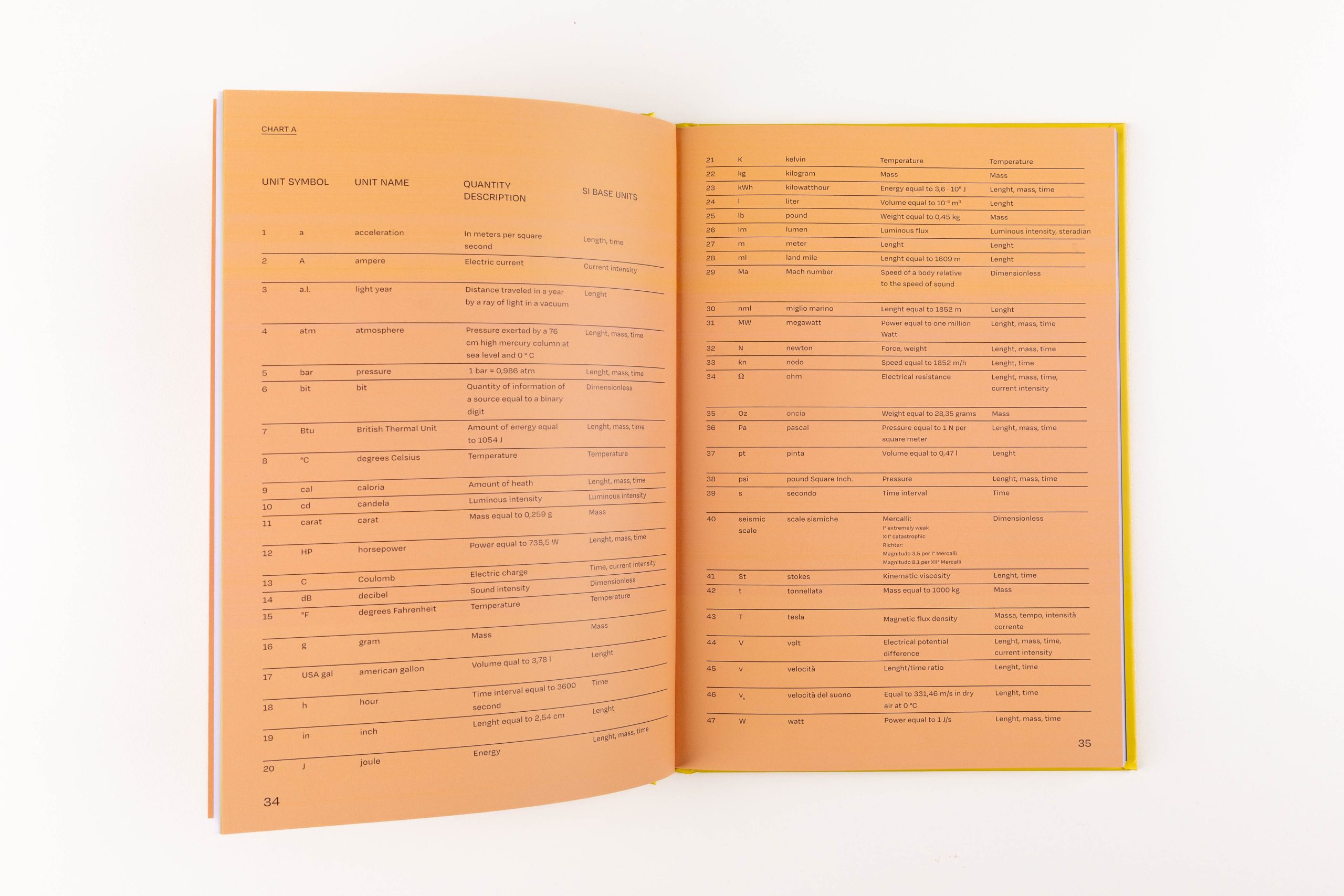


Did you know that measurement is linked to happiness? Perhaps this is why humans have always felt this need and begun to measure reality, everyday life, even themselves. What can be measured and how? And what is measurement for?
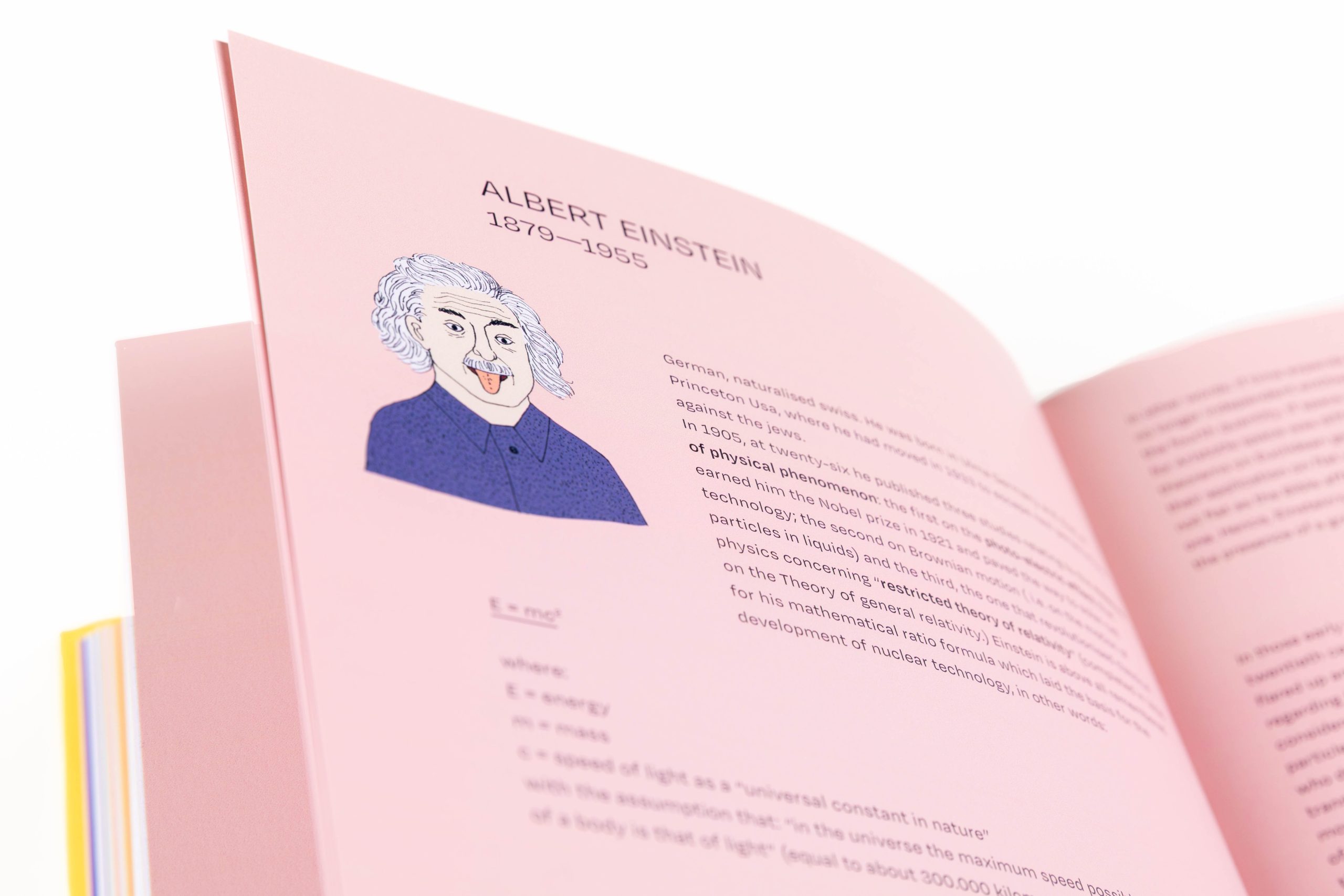
Katà Métron is a journey that leads the reader to understand the higher meaning of measurement and measuring, in a simple and fun way. Through contributions from those who have made measurement their profession, recognized internationally, with interactive games and profiles of characters who have marked great discontinuities, Katà Métron aims to offer a humanistic and technological perspective, reminding us how technology and knowledge help us in the art of always improving. Indeed, as Lord Kelvin reminds us, “only what can be measured can be improved.” Measurement is the business of Loccioni, whose mission is to transform data into value, for the well-being of individuals and the planet. Through measurement, it has contributed over the years to making people’s lives safer, more comfortable, and more sustainable. For this reason, Desiderio, in collaboration with Corraini Edizioni, has dedicated a book to measurement to provide students, professors, partners, and anyone who works to improve measurement with a view from the past to the future and the career prospects of the art of measurement. Big data, electrification and digitalization, data science, ethics and information technology, the transition from the material to the immaterial, are the future of measurement. Immaterial, yet still feasible, is the measurement of the individual, of oneself, of one’s potential and characteristics. Is there anything immeasurable? Can humanity be measured?
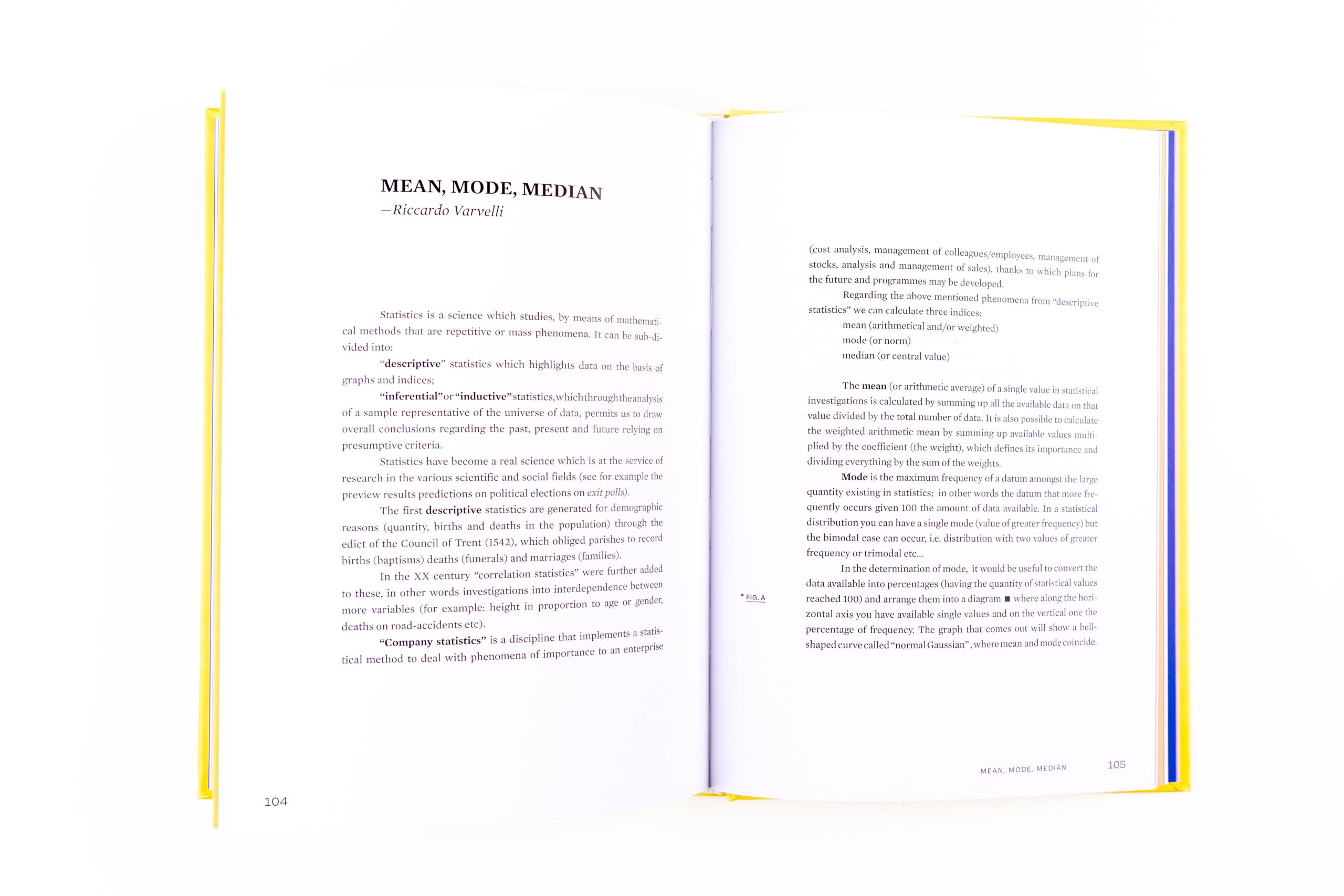
Edited by Riccardo Varvelli, engineer, former professor of Business Organization and Economics at the Polytechnic University of Turin
Illustrations: Harriet Russel, illustrator and author of children’s books, has collaborated with Edizioni Corraini in Italy and with publishers and newspapers worldwide for years. This is his first work with Desiderio Editore. It features valuable contributions from Accurat, Francesco De Stefano, Gino Romiti, Lorenzo De Bartolomeis, Luca Varvelli, Norberto Patrignani, and an introduction by Enrico Loccioni.